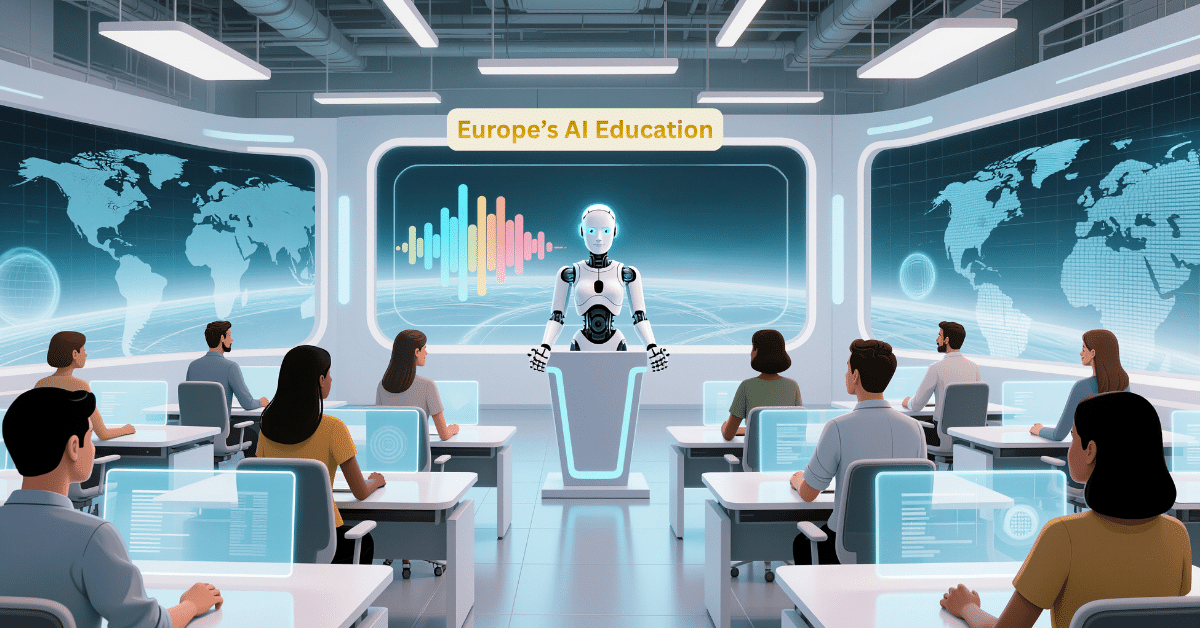
Across Europe, governments, universities and private companies are rapidly experimenting with AI-driven education models. From personalized learning platforms to national AI literacy programs, the region has become a testing ground for how artificial intelligence can transform learning. But these experiments aren’t just reshaping classrooms—they are offering powerful lessons for modern businesses, especially those preparing their workforce for a digital-first economy.
As companies face continuous technological disruption, understanding Europe’s AI education strategies can help build more adaptive teams, develop future-ready skills, and unlock smarter organizational growth. Below, we explore the most useful takeaways for businesses from Europe’s evolving AI education landscape.
Key Highlights
- Europe is pioneering AI literacy programs
- Industry-academia partnerships boost innovation
- Data ethics and transparency form the core of training
- Personalized learning boosts employee productivity
- AI tools make reskilling faster and more cost-effective
Europe’s AI Education Model and Its Business Lessons
1. Personalized Learning Improves Skill Development
European schools and universities are increasingly using adaptive learning platforms that analyze individual strengths, weaknesses, and learning speed. This helps students learn faster and more effectively.
For businesses, the same model can be applied to employee training. Instead of generic workshops, AI-powered training can offer personalized courses, targeted quizzes, and skill-gap analysis. This ensures each employee receives exactly the content they need. Companies that adopt adaptive learning often see higher engagement, better performance, and reduced training time.
2. Continuous Upskilling Becomes a Cultural Norm
Many European institutions have introduced mandatory AI literacy programs, teaching students and employees how to use AI responsibly. This reflects a mindset that learning must be continuous—not occasional.
Businesses can learn from this approach. Integrating continuous upskilling through bite-sized AI modules, monthly digital learning goals, and internal certifications helps employees stay competent in a rapidly changing environment. When AI usage becomes part of workplace culture, teams become more innovative and confident in experimenting with new tools.
3. Ethical AI Practices Build Trust
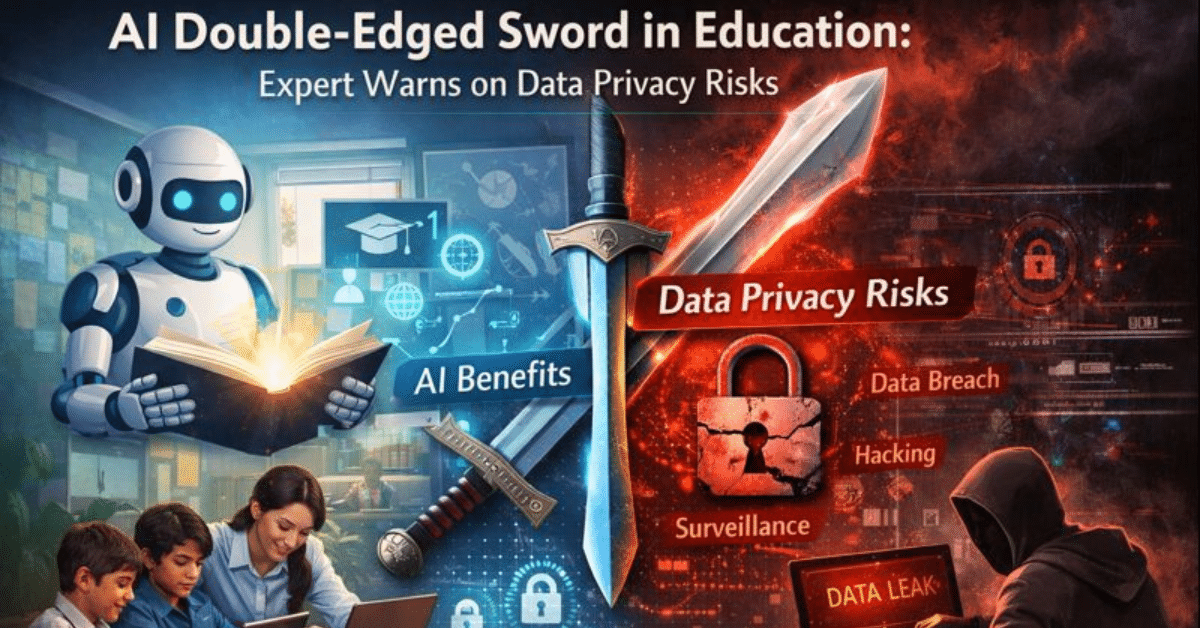
European AI education emphasizes ethics, transparency, and responsible use. Students learn how AI systems work, why bias occurs, and how to ensure fair decision-making.
For businesses, embedding these principles into training programs helps employees use AI tools responsibly. Transparency also improves customer trust—especially for companies relying on automation, data analytics, or AI-generated interactions. A workforce trained in ethical AI ensures fewer compliance risks and more sustainable AI adoption.
4. Collaborative Learning Drives Innovation
Across Europe, many AI programs are designed in partnership between universities, tech firms, and governments. This collaborative model accelerates research and innovation.
Companies can replicate this by creating internal learning communities, cross-department AI task forces, or partnerships with ed-tech providers. When teams learn together, they develop shared knowledge and can solve complex business problems more effectively. Collaboration also helps businesses adopt new technologies faster and more confidently.
How Businesses Can Apply These Lessons
Build an AI-Ready Workforce
Start with simple AI literacy sessions, followed by role-specific tools. Help employees understand how AI assists their daily tasks—from automation to data insights.
Use AI-Powered Learning Platforms
Invest in tools that offer personalized learning paths, real-time progress tracking, and skill mapping. This improves productivity and reduces training waste.
Promote Ethical AI Use
Create guidelines, workshops, and audits to ensure employees understand bias, privacy, and transparency when using AI tools.
Encourage Cross-Team Learning
Host innovation days, AI challenges, and group training sessions to encourage creative problem-solving and shared skill development.
Conclusion
Europe’s AI education experiments offer a blueprint for the future of business learning. By embracing personalized training, continuous upskilling, ethical AI usage, and collaborative learning, companies can build a highly adaptive, future-proof workforce. As AI becomes a necessity rather than a luxury, businesses that learn from Europe’s approach will be better positioned for long-term success.
FAQs
Q1. How can AI improve employee training?
AI personalizes learning, identifies skill gaps, and speeds up training.
Q2. Why is ethical AI training important for businesses?
It prevents misuse, builds customer trust, and ensures compliance.
Q3. Do small companies need AI education programs?
Yes, even basic AI literacy boosts efficiency and competitiveness.