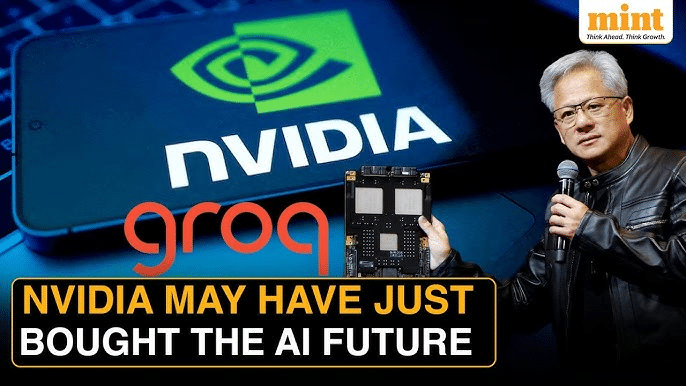
In December 2025, Nvidia made headlines across the tech world with a transformative deal valued at around $20 billion to acquire the assets of AI chip startup Groq, marking the largest transaction in the company’s history. This strategic move underscores Nvidia’s ambitions to not just lead but redefine the future of artificial intelligence hardware — especially as the industry shifts its attention from pure AI training to the growing importance of inference and real-time AI processing.
Groq, founded in 2016 by engineers involved in early Google tensor processor development, emerged as one of the most promising upstarts in AI accelerators. Its chips — particularly the Language Processing Units (LPUs) — are designed to excel at running trained AI models quickly and efficiently, a segment that’s becoming increasingly critical for large-scale AI applications like chatbots, real-time analytics, and interactive AI services.
Under the terms of the transaction, Nvidia is purchasing most of Groq’s AI chip assets in cash. However, the structure of the deal is unique: while Nvidia is acquiring core technology and team members, Groq itself will continue to operate independently, and its cloud services business will remain untouched. As part of the agreement, key Groq executives — including founder Jonathan Ross and president Sunny Madra — are set to join Nvidia to help integrate and scale the licensed technology. Meanwhile, Groq’s finance chief will step into the role of CEO of the remaining independent company.
This asset purchase and technology licensing arrangement — valued at approximately $20 billion — eclipses Nvidia’s previous largest acquisition, the nearly $7 billion purchase of Mellanox in 2019, and signals a significant strategic shift in how the company plans to win the AI hardware war.
Why the Groq Deal Matters: Strategy Behind the Move
To understand the full impact of Nvidia’s largest-ever deal, it’s essential to look at why Groq’s assets and capabilities are so strategically important.
For years, Nvidia’s GPUs (Graphics Processing Units) have been the backbone of AI computing, powering everything from model training to large-language-model inference. Nvidia’s CUDA ecosystem became the default choice for developers building and deploying AI systems. But as demand for AI exploded, the industry began to recognize that different tasks — especially AI inference (using a trained model to generate outputs in real time) — benefit from specialized hardware optimized for rapid, low-latency performance.
Groq’s LPUs were developed with precisely that niche in mind. By using an architecture that emphasizes deterministic performance and efficient on-chip memory, Groq chips can achieve significantly faster inference times and lower energy consumption compared to conventional GPU-based designs. These advantages made Groq one of the few startups competing with Nvidia’s dominance in real-world AI workloads.
Industry analysts now estimate that AI inference will represent a growing share of compute demand in the near future, driven by the massive rollout of generative AI systems in enterprise applications, edge devices, and consumer tools. Nvidia’s acquisition of Groq’s assets gives it access to custom silicon designed specifically for these inference workloads, allowing the company to broaden its product portfolio beyond GPUs and develop a more complete AI compute platform.
Nvidia CEO Jensen Huang has emphasized that the integration of Groq’s processors will complement Nvidia’s existing architecture and help it serve a broader range of AI workloads, particularly those requiring real-time responsiveness and efficiency. By onboarding top Groq talent and licensing their core intellectual property, Nvidia isn’t simply buying chips — it’s importing expertise that could influence the design of future Nvidia products.
Importantly, the deal is not structured as a full corporate takeover. Groq will continue as a separate entity with its cloud business intact. This has been interpreted as a way for Nvidia to tap into Groq’s technology and people while avoiding some of the regulatory hurdles and antitrust concerns that accompany outright acquisitions in highly competitive tech markets.
What This Means for the AI Hardware Landscape
Nvidia’s strategic move to spend about $20 billion on Groq’s assets is more than just a record purchase — it’s a signpost for broader industry dynamics.
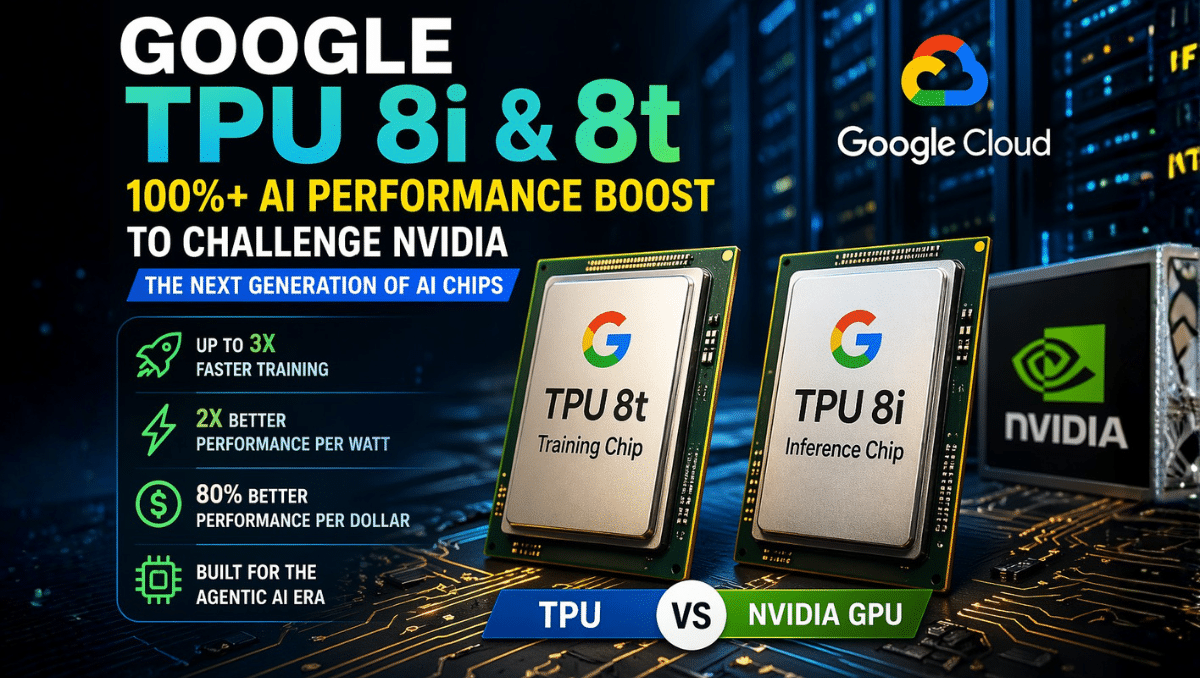
First, it highlights how AI hardware competition is evolving. While GPUs remain dominant for training large models, inference hardware has grown into its own battleground. Companies like Google, with its Tensor Processing Units (TPUs), and other startups focusing on custom accelerators have signaled that future AI performance gains will require diverse approaches. Nvidia’s acquisition of Groq’s assets positions it to address this trend more aggressively.
Second, the deal signals Nvidia’s commitment to maintaining its market leadership amid rising competition from other chipmakers such as AMD, Intel, and specialized silicon startups. By integrating Groq’s inference-focused architecture, Nvidia gains not only the technology but also a defensive advantage — neutralizing a potential rival and bringing innovative designs into its ecosystem.For Groq, the deal represents a major milestone. The company had recently raised large funding rounds at valuations far below the $20 billion figure reported in the Nvidia transaction, highlighting the premium Nvidia is willing to pay for strategic capability rather than just current market valuation.
The structure of the transaction — a licensing and talent acquisition rather than a full buyout — also reflects a nuanced dealmaking approach in today’s tech environment. It allows Nvidia to benefit from Groq’s intellectual property and engineering talent while leaving Groq to continue competing in certain areas, at least for now. This type of “acqui-hire and license” model is becoming more common among large tech firms seeking to accelerate innovation without triggering intense regulatory scrutiny.
Finally, the deal’s market impact was reflected in Nvidia’s stock performance, which reacted positively to the news. Investors see the move as strengthening Nvidia’s long-term growth prospects, given the increasing value of AI infrastructure and the company’s dominant position in building it.
Conclusion: A Defining Moment in AI Computing
Nvidia’s purchase of Groq’s AI chip assets for about $20 billion represents a defining moment in the AI hardware era. It not only marks the largest deal in Nvidia’s history but also underscores the company’s vision of expanding beyond GPUs into comprehensive AI computing solutions that address both training and inference.