Artificial Intelligence is advancing at an unprecedented pace, reshaping industries, economies, and societies worldwide. But amid the excitement and massive investment flowing into AI development, Microsoft AI CEO Mustafa Suleyman has issued a serious warning. He has raised concerns about soaring AI costs, ethical risks, and the long-term direction of the technology, urging governments, companies, and developers to slow down and think carefully about what kind of AI future they are building.
Suleyman, a co-founder of DeepMind and one of the most influential voices in modern AI, believes the industry is at a critical turning point. While AI holds enormous promise, he argues that unchecked commercialization, extreme resource consumption, and insufficient ethical guardrails could create serious social and economic consequences.
Rising AI Costs Threaten Sustainability and Accessibility
One of Mustafa Suleyman’s strongest concerns revolves around the exploding cost of developing and running advanced AI systems. Training large-scale AI models now requires enormous computational power, massive data centers, specialized chips, and vast amounts of electricity. According to Suleyman, this financial burden risks turning AI into a technology that only a few wealthy corporations and nations can afford.
As AI models grow larger and more complex, the cost of training them has reached billions of dollars. Beyond training, ongoing inference costs—running AI models for everyday use—are also rising sharply. Suleyman warns that this trajectory is not sustainable in the long run, especially as global energy prices fluctuate and environmental pressures intensify.
He argues that without a fundamental shift in efficiency, AI development could become economically exclusionary, limiting innovation to a small elite. This would reduce competition, slow creativity, and concentrate power in the hands of a few dominant players. Suleyman emphasizes that AI must remain accessible to startups, researchers, and developing nations if it is to benefit humanity broadly.
From Microsoft’s perspective, this concern is particularly relevant. As a company deeply invested in AI infrastructure, Suleyman acknowledges that even the largest tech firms must confront the reality that infinite scaling is not possible. He calls for smarter architectures, energy-efficient models, and responsible deployment strategies to ensure AI growth does not outpace global resources.
Ethics, Safety, and the Risk of Losing Human Control
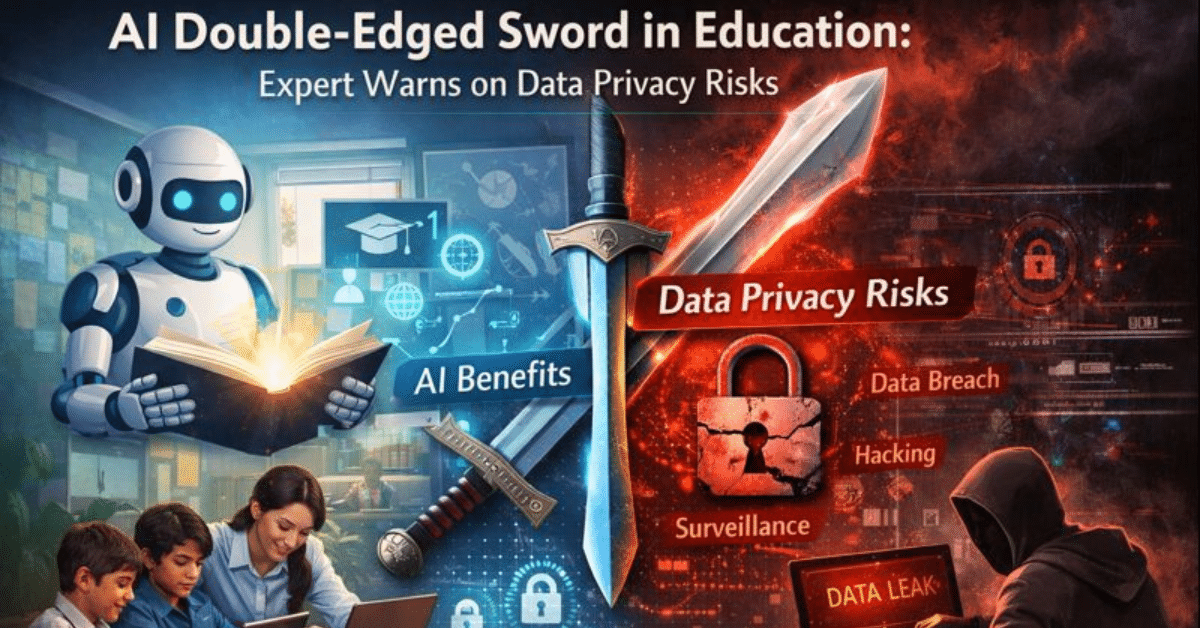
Beyond costs, Suleyman has repeatedly highlighted the ethical and safety challenges posed by advanced AI systems. He believes society is still unprepared for the speed at which AI capabilities are evolving. While AI can enhance productivity and solve complex problems, it also introduces risks related to misinformation, surveillance, bias, and automation of critical decision-making.
Suleyman stresses that AI systems are increasingly influencing human behavior—shaping opinions, automating judgments, and even replacing human roles in sensitive areas. Without strong ethical frameworks, these systems could amplify existing inequalities or make harmful decisions at scale.
One of his key warnings focuses on alignment—ensuring that AI systems act in accordance with human values and intentions. As AI becomes more autonomous, there is a growing risk that systems may behave in unpredictable ways. Suleyman argues that safety research must move as fast as capability development, not lag behind it.
He also emphasizes the importance of accountability. If an AI system causes harm, who is responsible—the developer, the company deploying it, or the algorithm itself? Suleyman believes clear legal and ethical responsibility must be established before AI becomes deeply embedded in critical infrastructure like healthcare, finance, defense, and governance.
From his role at Microsoft AI, Suleyman supports the idea that self-regulation alone is not enough. He calls for collaboration between governments, academic institutions, and private companies to create enforceable global standards. According to him, ethics cannot be treated as an afterthought or marketing slogan—it must be built into AI systems from the ground up.
The Future Direction of AI Requires Deliberate Choices
Looking ahead, Mustafa Suleyman believes the future of AI is not predetermined. Instead, it will be shaped by deliberate choices made today. He urges leaders to ask hard questions about what AI should and should not do, rather than simply pursuing the most powerful technology possible.
Suleyman advocates for a future where AI serves as a support system for human intelligence, not a replacement. He envisions AI enhancing creativity, productivity, education, and healthcare—while keeping humans firmly in control of decision-making. This, he argues, requires restraint, thoughtful design, and long-term thinking.
Another major concern is the pace of deployment. Suleyman warns that releasing powerful AI systems without sufficient testing or oversight could cause irreversible harm. He believes that the industry must adopt a culture similar to medicine or aviation, where safety checks, trials, and gradual rollouts are standard practice.
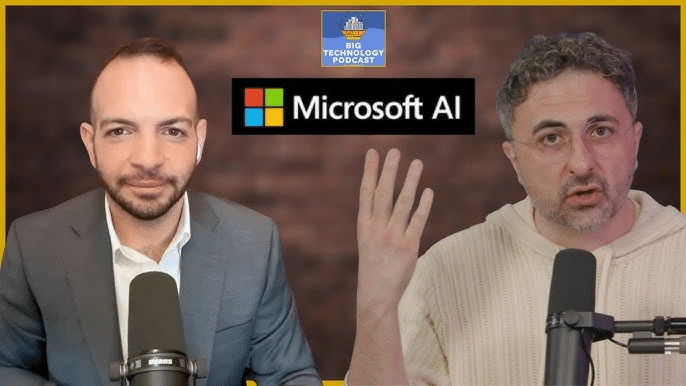
He also highlights the geopolitical implications of AI. Nations are racing to dominate AI capabilities, viewing them as strategic assets. Suleyman cautions that this competitive mindset could lead to reckless development and reduced transparency. Instead, he calls for international cooperation to prevent AI from becoming a destabilizing force globally.
At Microsoft, Suleyman’s vision reflects a balance between innovation and responsibility. While acknowledging the immense economic potential of AI, he insists that trust will determine long-term success. Companies that ignore ethical concerns may see short-term gains, but they risk losing public confidence and facing regulatory backlash.
Conclusion: A Call for Responsible Leadership in the AI Era
Mustafa Suleyman’s warnings are not a rejection of artificial intelligence—they are a call for mature, responsible leadership in one of the most powerful technological revolutions in history. As AI costs rise, ethical dilemmas deepen, and societal impact expands, the decisions made now will echo for decades.