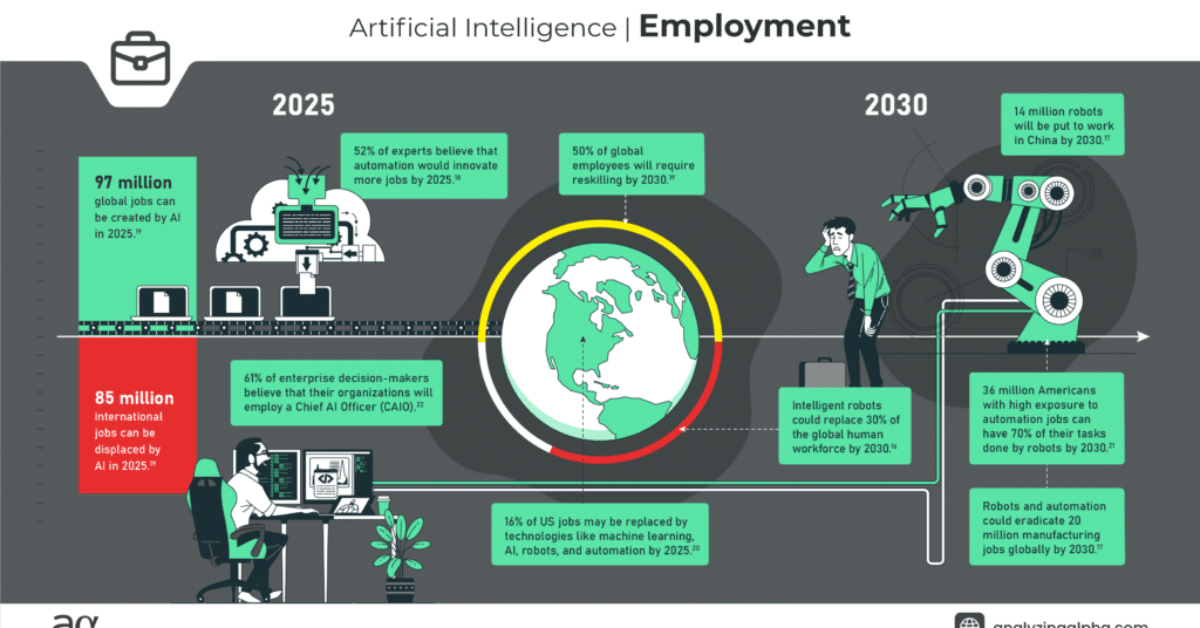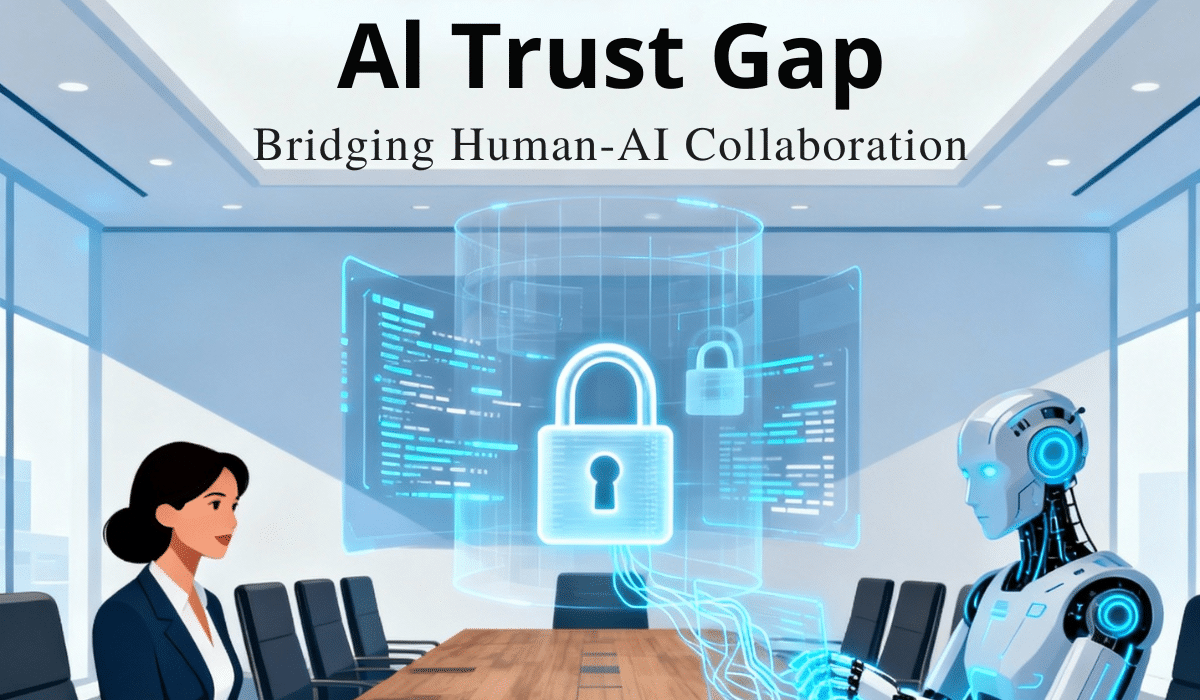
The AI trust gap in business remains one of the most significant barriers to successful digital transformation in 2025. Recent MIT Technology Review research reveals that 67% of employees express concerns about artificial intelligence transparency in their organizations, while 54% of customers remain skeptical about AI-driven decision-making processes. This growing divide between AI capabilities and stakeholder confidence threatens to undermine billions in technology investments.
Understanding the Root Causes of AI Trust Issues
Organizations face mounting pressure to deploy AI solutions while simultaneously addressing legitimate concerns about algorithmic accountability. The disconnect stems from three primary factors: lack of clear communication about AI decision-making processes, insufficient employee training on AI systems, and limited visibility into how algorithms process sensitive data.
Employee trust in AI systems erodes when workers perceive automation as a threat rather than a tool. Many organizations rush business automation initiatives without adequately preparing their workforce for the transition. This creates anxiety and resistance that manifests as the trust gap.
Establish a Robust AI Governance Framework
The foundation of responsible AI implementation begins with clear governance structures. Organizations must create dedicated oversight committees that include technical experts, ethicists, legal advisors, and employee representatives. This cross-functional approach ensures multiple perspectives shape AI deployment decisions.
AI governance framework elements should include:
- Clearly defined roles and responsibilities for AI system oversight
- Regular audits of algorithmic outputs for bias and accuracy
- Documented approval processes for new AI applications
- Incident response protocols for AI-related issues
Prioritize AI Explainability and Transparency
Technical complexity cannot excuse opacity. Companies must invest in AI explainability tools that translate algorithmic decisions into understandable terms for non-technical stakeholders. When employees and customers understand why an AI system made a particular recommendation, trust naturally increases.
Leading organizations now publish AI transparency reports detailing which processes involve automation, how decisions are made, and what human oversight exists. This proactive communication demonstrates commitment to ethical AI practices beyond mere compliance requirements.
Implement Comprehensive Training Programs
Closing the AI trust gap in business requires systematic education initiatives. Employees need hands-on experience with AI tools in low-stakes environments before high-stakes deployment. Training should cover both technical functionality and ethical considerations, helping workers understand AI as an augmentation tool rather than a replacement.
According to recent industry data, organizations investing in business and automation education programs report 43% higher employee acceptance rates for AI initiatives. Training transforms abstract concerns into concrete understanding.
Build Stakeholder Confidence Through Incremental Rollouts
Rushing enterprise-wide AI deployment amplifies AI adoption barriers. Smart organizations implement phased approaches that allow stakeholders to observe benefits and address concerns before scaling. Pilot programs in specific departments provide proof-of-concept while gathering valuable feedback.
This measured approach enables real-time adjustments based on actual user experiences rather than theoretical projections. Success stories from pilot groups become powerful testimonials that reduce resistance in other departments.
Establish Clear Human-AI Collaboration Boundaries
Stakeholder confidence grows when organizations explicitly define where human judgment supersedes algorithmic recommendations. Critical decisions involving employee welfare, customer relationships, or ethical considerations should always include human review regardless of AI confidence scores.
Document these boundaries clearly in organizational AI strategy documents accessible to all stakeholders. When people know that humans retain ultimate authority over important decisions, they become more comfortable with AI handling routine tasks.
Create Feedback Mechanisms and Continuous Improvement Cycles
Trust isn’t a one-time achievement but an ongoing process. Organizations must establish channels for employees and customers to report concerns about AI system behavior without fear of dismissal or retaliation. These feedback loops identify issues before they escalate into major trust crises.
Regular review sessions should assess whether AI systems maintain algorithmic accountability standards as they learn from new data. Machine learning models can drift from original specifications, requiring vigilant monitoring and occasional recalibration.
The Path Forward for AI Trust
Addressing the AI trust gap in business demands sustained commitment rather than quick fixes. Organizations that prioritize transparency, education, and stakeholder inclusion position themselves for successful long-term AI integration. The investment in trust-building measures pays dividends through higher adoption rates, reduced resistance, and better overall outcomes.
As AI capabilities continue expanding, the companies that thrive will be those recognizing that technical excellence alone cannot overcome human skepticism. Building trust requires intentional effort, consistent communication, and genuine respect for stakeholder concerns. The responsible AI implementation approach transforms potential adversaries into active partners in digital transformation.
FAQs
Q: How to make AI more trustworthy?
A: Make AI more trustworthy by implementing artificial intelligence transparency, providing clear explanations of decisions, establishing AI governance frameworks, conducting regular audits, offering comprehensive training, and maintaining human oversight for critical decisions.
Q: What are the 7 principles of trustworthy AI?
A: The seven principles are: transparency, accountability, fairness, reliability, privacy, safety, and human oversight. These principles ensure ethical AI practices and build stakeholder confidence.
Q: What are the 4 pillars of AI?
A: The four pillars are: data (quality information), algorithms (processing models), computing power (infrastructure), and domain expertise (human knowledge guiding development).
Q: What are 7 types of AI?
A: The seven types include: reactive machines, limited memory AI, theory of mind AI, self-aware AI, narrow AI, general AI, and super AI. Most business automation uses narrow AI with limited memory.
Q: Which are the two main types of AI?
A: The two main types are Narrow AI (Weak AI) for specific tasks and General AI (Strong AI) with human-like intelligence across domains. Only Narrow AI exists commercially today.
Q: What are the three AI models?
A: The three primary models are: Supervised Learning (trained on labeled data), Unsupervised Learning (finds patterns in unlabeled data), and Reinforcement Learning (learns through trial-and-error rewards).