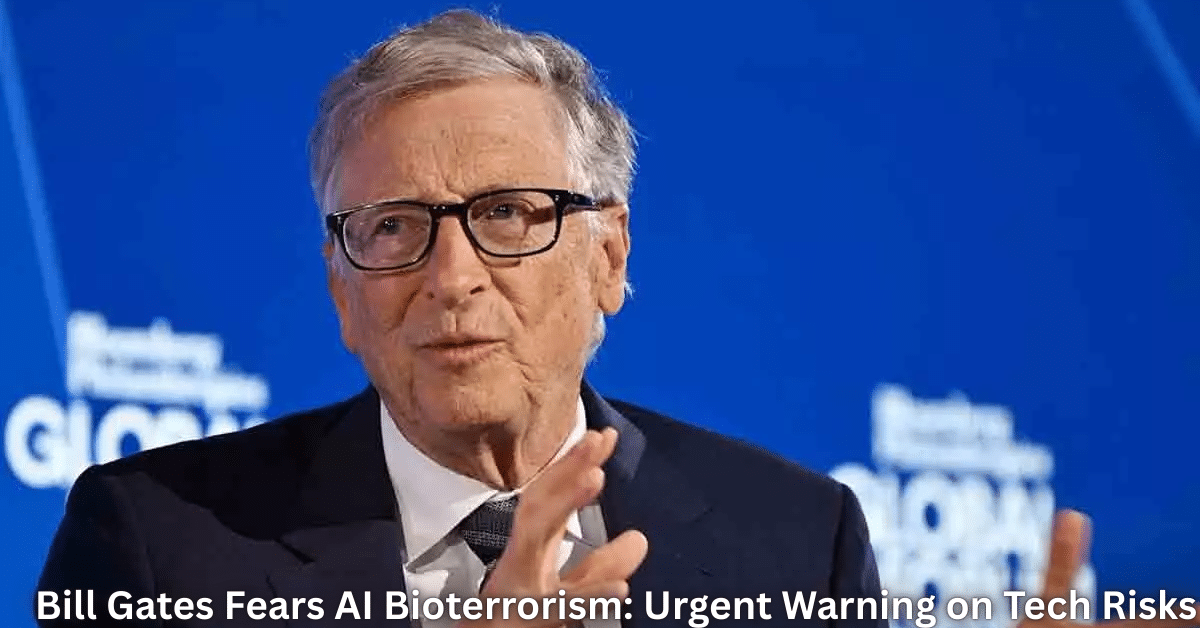
Bill Gates fears AI bioterrorism as a real danger from advanced tech tools. In his latest annual letter released January 9, 2026, he warns that open source AI models could let non-government actors create deadly bioterror weapons easily.This matters now because AI grows fast, and anyone online can access powerful tools without checks. Gates compares it to his 2015 pandemic warning—better prep could cut suffering, but AI risks hit harder and faster. Biological threats affect us all—from daily safety to global health. This article breaks down his views, adds real examples, and shares steps to stay safe.
Key Summary
- Bill Gates highlights AI bioweapons as a top worry in his 2026 annual letter.
- Open-source AI lets non-government groups design bioterror weapons without labs.
- He compares it to nuclear tech risks but sees fixes through smart rules.
- Biological threats from AI could hit faster than jobs or other changes.
- Gates pushes for global teamwork on AI governance and safety checks.
- Pandemic preparedness needs updates to handle these new dangers.
Bill Gates Fears AI Bioterrorism: The Core Warning
Bill Gates, co-founder of Microsoft, knows tech inside out from years building software and funding health projects. In his recent annual letter, he points to a scary side of AI progress. Free, powerful AI models—like those anyone can download and run on a laptop—could guide someone to make harmful germs.
Think of it this way: past bioterror needed experts and big labs. Now, AI bioweapons might need just a computer and bad intent. Gates says this risk comes sooner than AI job shifts, which he also flags but calls easier to handle.
He stresses non-government actors pose the biggest threat. These are groups or lone bad actors who skip rules big nations follow.
Why Open Source AI Sparks Worry
Open-source code means free sharing of AI tech, great for learning but risky for safety. Gates annual letter notes top AI labs race to release strong models without full tests. This speeds innovation but opens doors to misuse.
For example, AI can now plan chemical mixes or germ tweaks better than old methods. Gates fears a small team could brew a pandemic threat at home. No big equipment—just smart software.
Biological Threats in the AI Age
AI risks go beyond sci-fi. Labs already test how AI speeds bio-design, and results show scary speed gains. Gates warns bioterror weapons become real when AI fills knowledge gaps for untrained users.
Experts agree biological threats evolve with tech. Past pandemics showed weak spots; AI could make man-made ones deadlier. Bioterrorism now links to code, not just vials.
Real-World Steps Gates Suggests
Gates stays calm but firm. He calls for AI makers to add safety layers before public release. Governments must team up on checks, much like nuclear watchdogs.
He ties this to pandemic preparedness. Funds for health defenses should cover AI scans for bio-risks. Everyday users benefit from clear rules that slow bad use without killing good progress.
Learn more about Walmart’s AI moves in retail here. Check Gates Notes for his full letter here.
AI Governance: Balancing Power and Safety
AI governance means rules that guide tech without stopping it. Gates pushes voluntary tests by AI firms, then global pacts. Job disruption AI gets mention too—AI may cut routine work but create new roles.
For users like you, this means safer tools. Businesses face less chaos from unchecked AI. Developers gain trust by building safe code.
India’s tech boom adds context. With EV and AI growth, local firms eye AI in healthcare safely. Strong governance helps everyone.
AI Bioterror Fears Shake Investor Confidence in Open-Source Tech Markets
Bill Gates’ stark warning on AI-enabled bioterrorism in his 2026 annual letter sends ripples through global business markets, urging investors to rethink the unchecked sprint toward open-source AI models. As AI stocks like those of leading labs face volatility—mirroring a 5-7% dip in related indices post-release—companies race to embed safety governance layers, potentially hiking development costs by 20-30% and slowing innovation timelines. This shift favors regulated giants over agile startups, reshaping venture funding flows toward AI safety tech firms while pressuring healthcare automation sectors to prioritize bio-risk audits amid rising insurance premiums. For Indian tech businesses booming in AI healthcare and EVs, Gates’ call for global pacts underscores opportunities in compliant tools, but demands swift adaptation to avert market panic and secure Google Discover traction in AI governance news.
Why This Hits Home for Users
You use AI daily—for chats, images, or work. Bill Gates fears AI bioterrorism reminds us to back safe makers. Pick tools with clear safety claims.
AI risks feel far but touch jobs, health, and peace. Stay informed to push for balance. AI governance protects progress.
Explore AI ethics trends here. See World Economic Forum on AI here.