Listen: The Story Explained
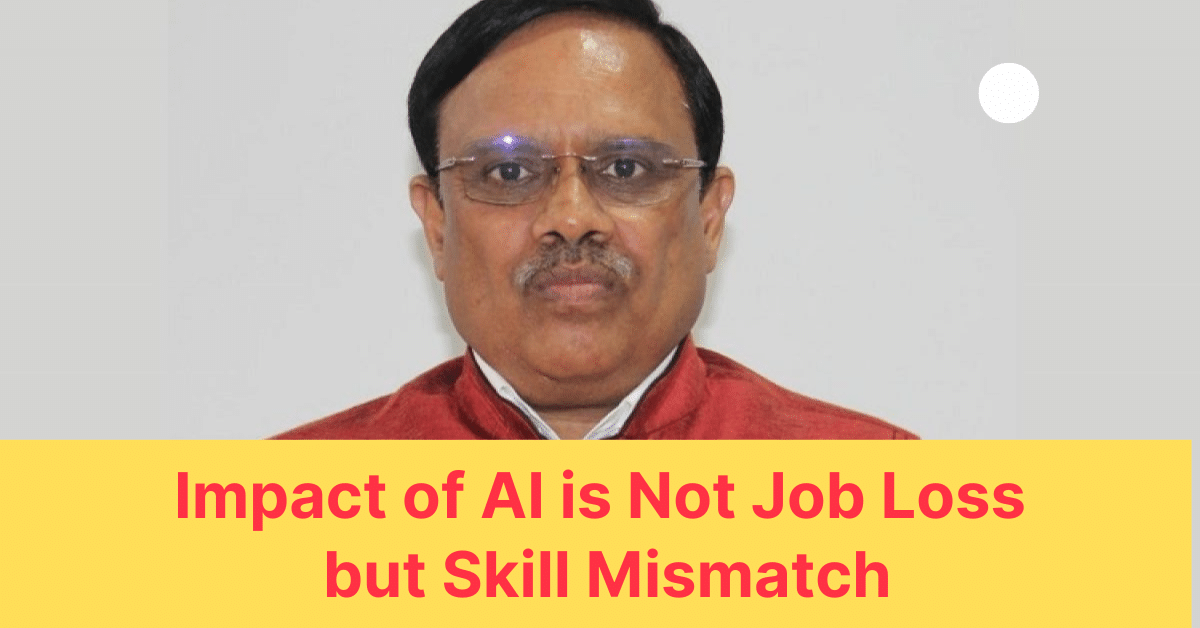
The impact of AI is not job loss but skill mismatch, according to Professor T G Sitharam, former chairman of the All India Council for Technical Education (AICTE). In a recent interview, he shifted the conversation from widespread AI job displacement fears to a more urgent reality: many workers lack the right skills for tomorrow’s roles. This perspective challenges you to rethink how AI reshapes careers in India.
Key Highlights:
- Professor Sitharam emphasizes reskilling engineers AI over fearing elimination, focusing on AICTE skill development initiatives.
- The AI Impact Summit 2026 prioritizes lifelong learning AI to bridge the job skill mismatch.
- India AI employment shift means new opportunities in tech, but only for those who adapt through engineering upskilling.
- AICTE curriculum changes are underway to prepare students for technical education reform.
- AI human capital India will drive growth if job skill mismatch is addressed now.
Why This Matters Right Now
Right now, India’s tech boom demands AI human capital India, yet a growing job skill mismatch leaves graduates and professionals behind. Professor Sitharam‘s words come at a pivotal time, with the AI Impact Summit 2026 on the horizon, pushing AICTE skill development nationwide. For you, this means evaluating your skills against emerging roles—will you lead the India AI employment shift or get left in the gap?
Sitharam’s Vision for AI and Jobs
Professor T G Sitharam argues that AI transforms jobs, not destroys them. He points to AICTE curriculum changes making engineering courses more practical, blending lifelong learning AI with hands-on projects. Imagine switching from routine coding to overseeing AI systems—that’s the reskilling engineers AI path he champions.
“Our concern is not job loss, but skill mismatch. Hence, the focus of the AI Human Capital Working Group at the India-AI Impact Summit 2026 is on reskilling, upskilling, and lifelong learning.”
— Professor T G Sitharam, ex-chairman AICTE
This approach tackles AI job displacement fears head-on, turning them into India AI employment shift advantages. Check related insights on AI job displacement fears and AI layoffs outpace new jobs.
AI Job Transformation: Real Impacts
AI doesn’t wipe out jobs—it evolves them. Here’s a quick breakdown:
| Aspect | Traditional Jobs | AI-Transformed Jobs |
|---|---|---|
| Skills Needed | Routine tasks | Engineering upskilling, AI oversight |
| Risk Level | High for mismatch | Low with reskilling engineers AI |
| Opportunities | Limited growth | AICTE skill development roles in tech hubs |
| India Focus | Manufacturing | AI human capital India boom by 2026 |
This table shows why technical education reform is key. You gain by targeting high-demand areas like AI ethics or data curation.
Actionable Steps to Bridge Your Skill Gap
Ready to act? Start with these practical moves inspired by Professor Sitharam‘s blueprint:
- Audit your skills against AICTE curriculum changes—free tools from AICTE portals help.
- Enroll in lifelong learning AI courses on platforms tied to AI Impact Summit 2026 goals.
- Network via reskilling engineers AI communities for real-world projects.
- Track India AI employment shift trends to pivot early.
These steps make job skill mismatch your opportunity, not obstacle.
“Professor Sitharam’s insights highlight a massive opportunity: upskill now, and you’ll lead the AI human capital India wave by 2026.“
— AiCoreNews Senior Analyst
India’s AI Future Unlocked
With AICTE skill development accelerating, India eyes superpower status through technical education reform. The AI Impact Summit 2026 will spotlight solutions, but success hinges on individual action amid the India AI employment shift.
The takeaway? Embrace reskilling engineers AI today to thrive. How are you preparing for this job skill mismatch—share your upskilling plans below!