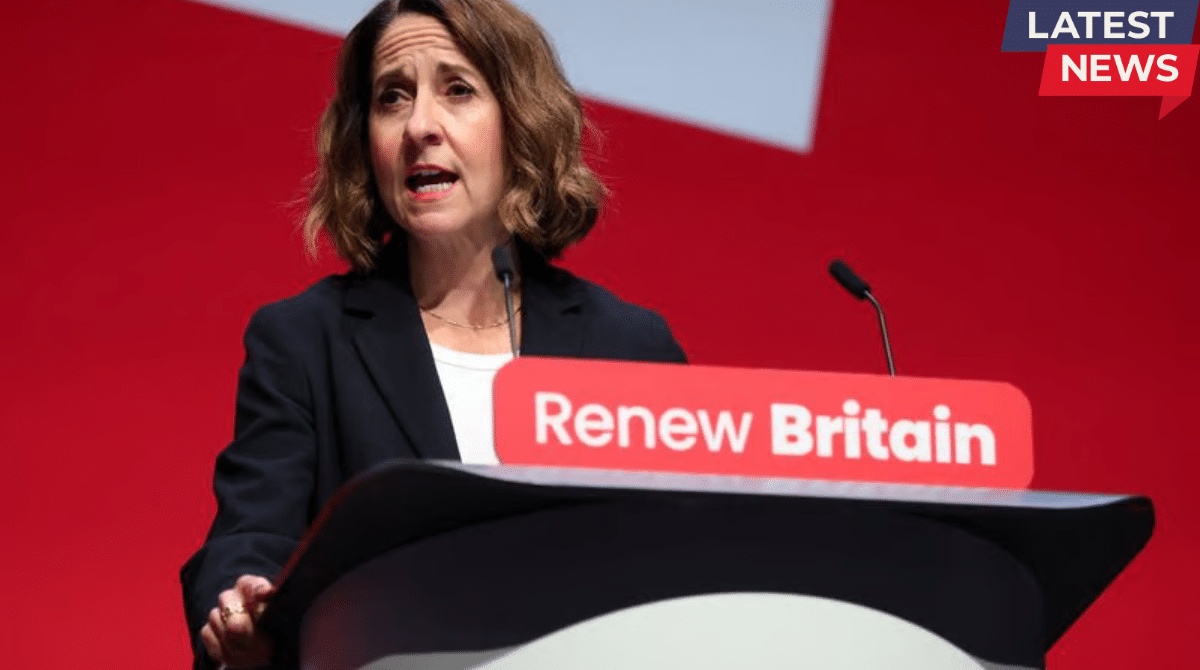
RAISE Act AI safety legislation takes effect as New York Governor Kathy Hochul signs the nation’s first comprehensive AI safety protocols for frontier AI models. This Kathy Hochul AI bill targets high-risk AI systems, requiring developers to implement risk assessments and rapid incident disclosures. Announced on December 18, 2025, the law positions New York as a leader in New York AI regulation amid global AI governance debates.
RAISE Act AI Safety: Key Provisions Unveiled
The RAISE Act AI safety framework mandates that developers of frontier AI models—those with over 10^26 FLOPs training compute—conduct thorough AI risk assessment before public release. Companies must evaluate risks of critical harm reporting, including potential misuse for cyberattacks, biological threats, or mass disinformation campaigns. Failure to comply triggers hefty state AI penalties, up to $250,000 per violation plus ongoing fines.
Governor Hochul emphasized the urgency during the signing ceremony: “We cannot wait for federal action. New York AI regulation through the RAISE Act protects residents from unchecked AI dangers while fostering innovation.” Sponsored by State Senator Andrew Gounardes and Assemblymember Alex Bores, the bill passed both legislative chambers in June 2025 after intense debates.
Frontier model developers like OpenAI, Anthropic, and xAI now face mandatory safety testing protocols. These include adversarial robustness checks and cybersecurity audits to prevent jailbreaks or unintended escalations. The law also establishes a state AI oversight office to monitor compliance and investigate breaches.
Impact on AI Industry and Frontier AI Models
AI safety protocols under the RAISE Act extend beyond testing to real-time incident reporting AI requirements. Developers must notify the AI oversight office within 72 hours of any event causing “critical harm,” defined as death, serious injury, or widespread societal disruption. This incident reporting AI mechanism draws from cybersecurity best practices but tailors them to generative AI risks.
Industry reactions vary. Proponents hail it as a balanced approach, avoiding Europe’s heavy-handed AI Act while surpassing California’s voluntary guidelines. Critics, including some tech libertarians, argue it expands executive power over frontier AI models at legislative expense. One expert noted, “This sets a precedent for state AI penalties that could cascade nationwide, pressuring even non-NY firms serving the state.”
For businesses leveraging AI avatars in business automation, the RAISE Act signals tighter scrutiny on deployed models. Companies must now integrate AI risk assessment into workflows, potentially raising operational costs by 15-20% initially.
New York AI Regulation: Enforcement and Timeline
Enforcement begins January 1, 2026, with the AI oversight office fully operational by mid-year. Developers submit initial compliance plans within 90 days, followed by annual audits. The office, housed under the Department of Financial Services, gains subpoena power for investigations into critical harm reporting failures.
Penalties escalate based on severity: minor lapses incur warnings, while willful non-disclosure leads to multimillion-dollar fines or model bans in New York. For context, New York Governor’s Office highlighted the bill’s focus on “frontier risks without stifling everyday AI tools.”
This Kathy Hochul AI bill exempts smaller models under the compute threshold, shielding startups from undue burden. However, scaled deployments—like those in healthcare diagnostics or autonomous systems—fall squarely under AI safety protocols.
Broader Implications for AI Risk Assessment
The RAISE Act pioneers New York AI regulation by mandating “pre-deployment guardrails” for frontier AI models. Risk categories include persuasive deception, where AI manipulates human judgment, and cyber capabilities enabling infrastructure hacks. Developers must document mitigation strategies, from watermarking outputs to phased rollouts.
Globally, this influences ongoing talks at the UN AI Advisory Body. Axios AI Safety Bill Coverage reports similar bills emerging in Massachusetts and Illinois. For aicorenews.com readers, it underscores the need for incident reporting AI in enterprise tools.
AI risk assessment now becomes table stakes for market leaders. Firms ignoring it risk not just fines but reputational damage in investor eyes.
Stakeholder Perspectives on State AI Penalties
Tech giants express cautious support. Anthropic’s safety lead stated, “Aligns with our responsible scaling policy, though state-level patchwork complicates compliance.” Meanwhile, AI ethics groups applaud the critical harm reporting emphasis, long advocated in white papers.
Small developers worry about resource strain. “Audits favor incumbents,” tweeted a Brooklyn AI startup founder. Yet optimists see it boosting trust, potentially unlocking federal funding ties.
Challenges Ahead for AI Oversight Office
The AI oversight office faces hurdles: staffing experts in emergent risks and balancing privacy with transparency. Public dashboards will track aggregate incidents without exposing trade secrets.
Critics decry potential overreach, fearing state AI penalties deter innovation. Governor Hochul counters: “Safety enables sustainable growth.”

Why RAISE Act AI Safety Matters Now
As frontier AI models advance toward AGI thresholds, proactive New York AI regulation fills a federal void. This Kathy Hochul AI bill blends enforcement teeth with flexibility, influencing global standards.
For AI professionals, prioritize AI safety protocols integration today. Incident reporting AI readiness and AI risk assessment audits position firms ahead. Stay tuned to aicorenews.com for frontier model developers updates and compliance guides.