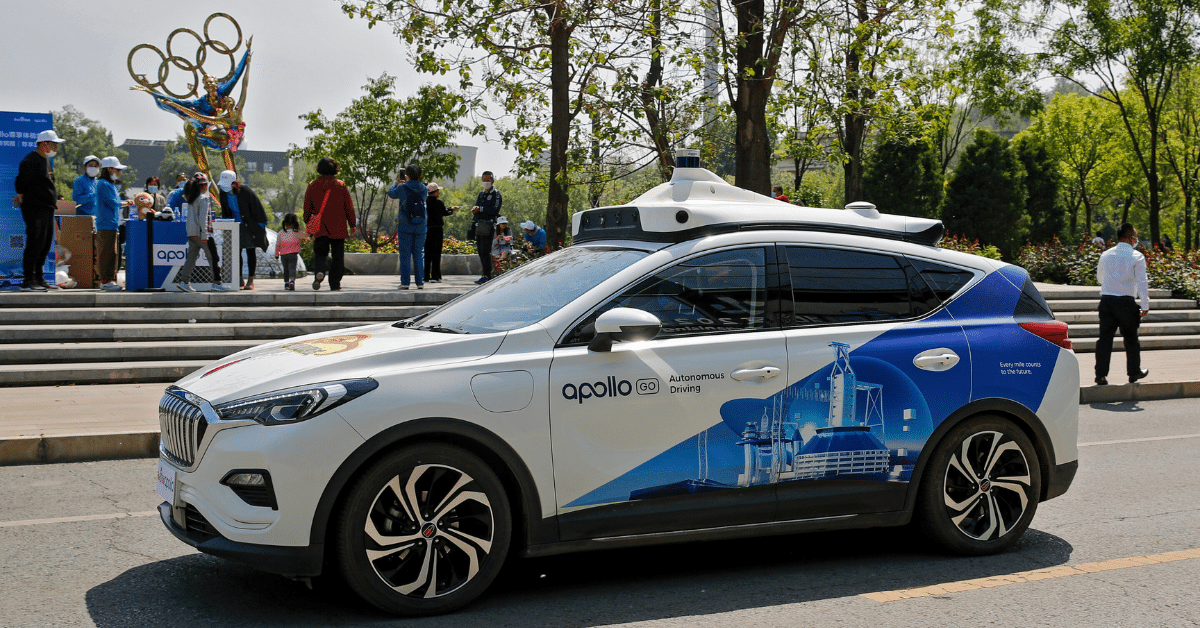
Uber and Lyft robotaxi trials London kick off next year with exciting tests of autonomous taxis on busy streets. These self-driving rides from Baidu’s Apollo Go tech promise safer and cheaper travel for everyone. This news matters because it brings AI ride-hailing to Europe’s biggest city, cutting costs and wait times for daily commuters. London riders could soon skip human drivers, while businesses gain new ways to move people. The article ahead breaks down timelines, tech details, and what it means for your trips.
Key Highlights: Uber and Lyft Robotaxi Trials London
- Uber starts pilot tests with Baidu’s RT6 vehicles in early 2026.
- Lyft plans dozens of tests too, scaling to hundreds after approval.
- Both partner with Chinese tech leader Baidu for proven robotaxi rollout.
- UK rules allow human-supervised trials until spring 2026.
- Waymo already testing in London, heating up rideshare automation.
- Commercial services eyed by late 2027 under new laws.
Uber and Lyft robotaxi trials London: The big announcement
Uber and Lyft dropped this bombshell just days ago. They team up with Baidu, whose Apollo Go fleet has logged millions of driverless vehicles rides worldwide. London trials mark a huge step for urban mobility in the UK.
Uber leads with a clear plan. Their pilot uses electric RT6 SUVs on select routes. CEO Dara Khosrowshahi eyes driverless ops in over 10 cities by end of 2026. This fits Uber’s shift from building tech in-house to smart partnerships.
Lyft moves fast too. CEO David Risher shared on social media they aim for quick regulatory nods. Starting small, they plan to grow the fleet big. Both firms ditched solo AV development to speed things up.
Baidu’s tech powers the robotaxi rollout
Baidu’s Apollo Go shines here. These self-driving rides run without humans in China across 22 cities. Over 17 million trips prove the tech works in real chaos.
RT6 vehicles pack top sensors, AI brains, and smooth navigation. They handle rain, traffic, and pedestrians better than many humans. London gets this battle-tested system, not unproven prototypes.
Why Baidu? Uber and Lyft want proven scale. Baidu expands globally, from Middle East to now Europe. This partnership blends US rideshare smarts with Chinese AV muscle.
How the vehicles sense the road
Uber self-driving and Lyft autonomous tech relies on lidar, cameras, and radar. AI maps every inch of London in real time. Safety first: redundant systems stop crashes before they start.
Tests include safety drivers at first. By mid-2026, public trials drop them. Full commercial rides wait for 2027 laws. Early data shows fewer accidents than human-driven cabs.
UK rules open doors for AI ride-hailing
London regulators sped up approvals this year. The Automated Vehicles Act sets high safety bars. Trials must match careful human drivers.
Until spring 2026, humans ride shotgun. After, driverless public tests begin. Uber and Lyft chase nods from Transport for London. Wayve and Waymo already pave the way.
Past flops like 2018 Oxbotica tests teach lessons. Low ridership killed early buses. This time, big brands and demand fix that.
Timeline for London riders
| Phase | Timeline | Details |
|---|---|---|
| Pilot Tests | H1 2026 | Uber/Lyft with safety drivers, small fleets |
| Public Trials | Post-spring 2026 | No safety drivers, open to riders |
| Commercial Launch | Late 2027 | Full driverless vehicles service |
| Scale Up | 2028+ | Hundreds of autonomous taxis daily |
This table shows clear steps. Riders see changes soon.
What London trials mean for you
Commuters win big. Robotaxi trials London cut fares 30-50% long-term. No tips, no surges. Waits drop as fleets grow.
Tourists get seamless rides from Heathrow to center. Apps stay the same—just book and go. Rideshare automation frees drivers for better jobs.
Businesses save too. Fleets run 24/7 without breaks. Delivery firms eye cargo versions.
Wins for daily users
- Cheaper trips: Pay less per mile.
- Safer rides: AI avoids drunk driving risks.
- Green boost: Electric RT6 cuts emissions.
- Busy streets: Less traffic from empty cabs.
Challenges ahead in urban mobility
Not all smooth. Unions worry about driver jobs. Regulators demand zero-tolerance safety.
London’s narrow roads and weather test AI limits. Baidu adapts from China’s megacities. Early wins build trust.
Competition heats up. Waymo tests now, aims for full service 2026. Local Wayve pushes UK-made tech. Winners blend global scale with local smarts.
Uber self-driving and Lyft autonomous fleets could dominate. But approvals delay full rollout.
Global race shapes AI ride-hailing
This London push fits worldwide trends. Baidu eyes Tokyo, WeRide hits Switzerland. Waymo rules US with 450,000 weekly rides.
Uber partners Waymo stateside, Baidu abroad. Lyft tests in Atlanta. Robotaxis hit 1 million daily rides globally soon.
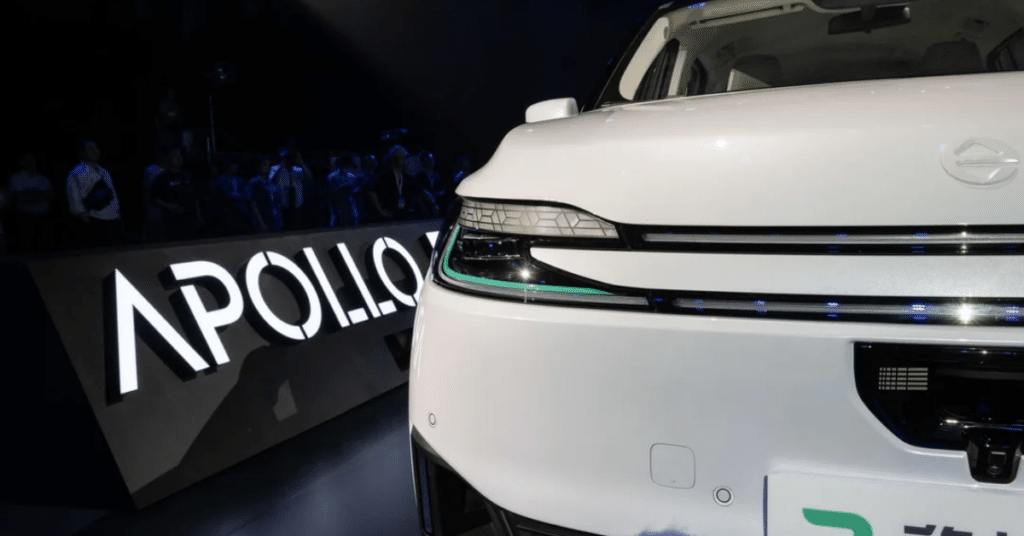
London joins as key testbed. Success here unlocks Europe. Failures? Back to drawing board.
For more on AI pros like Andrej Karpathy on AI programming, check our deep dives. Explore Uber Newsroom for updates.