Listen: The Story Explained
Artificial Intelligence (AI) is no longer a concept limited to research labs, tech companies, or science fiction. It is rapidly becoming a part of everyday life, influencing how people study, work, communicate, and make decisions. Recognizing the growing importance of AI in the modern world, the National Council of Educational Research and Training (NCERT) has constituted a dedicated textbook development team to create syllabi and textbooks on AI for Classes 11 and 12, as confirmed by the Ministry of Education in Parliament.
This move marks a major shift in India’s education system, aiming to prepare students for a technology-driven future. By bringing AI into the senior secondary school curriculum, NCERT seeks to build foundational knowledge, promote critical thinking, and equip students with skills that will be essential in the coming decades.
Why AI Education Is Becoming Essential for Students
Artificial Intelligence has transformed almost every sector, including healthcare, finance, education, agriculture, transportation, and entertainment. From recommendation systems and chatbots to self-driving vehicles and predictive analytics, AI applications are everywhere.
For students, understanding AI is no longer optional. It is becoming as important as learning mathematics, science, or computer basics. Early exposure to AI concepts helps students understand how modern technologies work and how they impact society. It also encourages innovation, problem-solving, and logical reasoning.
NCERT’s decision reflects the growing realization that schools must adapt to technological changes. Introducing AI at the senior secondary level allows students to explore advanced concepts at a stage when they are making important career choices.
NCERT’s Vision Behind Introducing AI in Classes 11 and 12
NCERT’s plan to introduce AI courses for Classes 11 and 12 is aligned with India’s broader vision of becoming a global technology leader. The initiative supports national goals such as Digital India, Skill India, and the National Education Policy (NEP), which emphasizes experiential learning and future-ready skills.
The primary objective is not just to teach students how to use AI tools, but to help them understand the principles behind AI systems. This includes how machines learn, how data is processed, and how algorithms make decisions.
By integrating AI into the curriculum, NCERT aims to nurture curiosity and creativity while ensuring students are aware of the ethical and social implications of emerging technologies.
Recent Developments in AI Curriculum Rollout
NCERT’s textbook team focuses on introducing students to core AI ideas, everyday applications, and limitations of the technology. This structured approach builds on the Skilling for AI Readiness (SOAR) initiative, which offers 45 hours of training across three micro-credentials: AI to Be Aware, AI to Acquire, and AI to Aspire, each aligned with the National Skills Qualification Framework.
The effort complements broader reforms, including AI curriculum from Class 3 starting 2026-27 and projects on AI tools in Class 6 vocational education.
What the AI Curriculum for Classes 11 and 12 May Include
The proposed AI syllabus for Classes 11 and 12 is expected to be structured, practical, and student-friendly. While the final framework is still evolving, the curriculum is likely to cover both theoretical and applied aspects of Artificial Intelligence.
Key topics may include an introduction to AI and machine learning, basics of data science, neural networks, and natural language processing. Students may also learn about real-world applications of AI in areas such as healthcare, education, smart cities, and finance.
Practical learning is expected to play a major role. Students could work on small projects, analyze datasets, and use simple AI tools to solve problems. This hands-on approach will help them understand concepts better and develop confidence in using technology.
Focus on Ethics and Responsible Use of AI
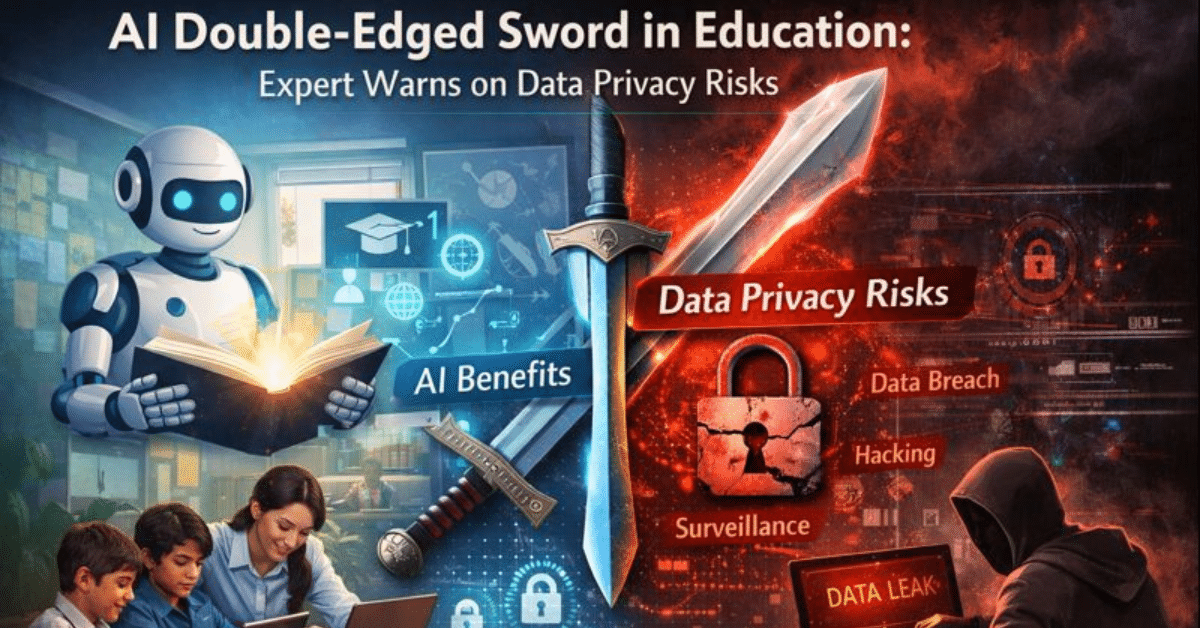
One of the most important aspects of AI education is understanding its ethical implications. NCERT’s AI courses are expected to include discussions on data privacy, algorithmic bias, transparency, and accountability.
Students will be encouraged to think critically about how AI systems affect individuals and society. Topics such as misuse of data, surveillance, job displacement, and fairness in AI decision-making may be part of the curriculum.
By addressing these issues early, NCERT aims to create responsible digital citizens who can use AI technology ethically and thoughtfully.
How AI Education Will Benefit Students’ Career Prospects
Introducing AI in Classes 11 and 12 can significantly enhance students’ career readiness. Early exposure helps students identify their interests and strengths in fields such as computer science, engineering, data analytics, and research.
Students with a foundational understanding of AI will have an advantage when pursuing higher education in technology-related disciplines. Even for non-technical careers, AI literacy is becoming increasingly valuable, as many professions now rely on data-driven decision-making.
AI education also supports entrepreneurship. Students who understand AI concepts can develop innovative solutions, startups, and applications that address real-world problems.
Role of Teachers and Schools in Implementing AI Courses
The successful implementation of AI courses depends heavily on teacher training and infrastructure. NCERT is expected to support schools by providing training programs, teaching resources, and digital tools.
Teachers may undergo specialized workshops to understand AI concepts and effective teaching methods. Schools will also need access to computers, internet connectivity, and basic software tools to facilitate practical learning.
Collaboration with technology companies and academic institutions may further strengthen the program by providing real-world insights and updated learning materials.

Alignment with the National Education Policy
The introduction of AI courses aligns closely with the National Education Policy, which emphasizes multidisciplinary learning, critical thinking, and skill development. NEP encourages schools to move beyond rote learning and focus on conceptual understanding and application.
AI education supports this approach by combining science, mathematics, computer studies, and ethics. It encourages students to ask questions, experiment, and explore solutions, making learning more engaging and meaningful.
By offering AI as a subject in Classes 11 and 12, NCERT is helping students transition smoothly into higher education and the workforce.
Challenges in Introducing AI at the School Level
While the initiative is forward-looking, it also comes with challenges. Not all schools have equal access to digital infrastructure, especially in rural and remote areas. Ensuring uniform implementation across the country will require significant investment and planning.
Teacher readiness is another key challenge. AI is a rapidly evolving field, and educators will need continuous training to keep up with new developments.
Despite these challenges, the long-term benefits of AI education outweigh the difficulties. With proper support and phased implementation, these obstacles can be addressed effectively.
Over time, AI education in schools may lead to increased research output, startup creation, and global competitiveness.
Impact on India’s Future Workforce and Innovation Ecosystem
By introducing AI at the school level, NCERT is laying the foundation for a future-ready workforce. Students trained in AI concepts from an early stage are more likely to contribute to innovation, research, and technological advancement.
This initiative can strengthen India’s position in the global technology ecosystem by producing skilled professionals who understand both the technical and ethical dimensions of AI.
The introduction of Artificial Intelligence into the school syllabus for Classes 11 and 12 marks a transformative moment for India’s education system. NCERT’s plan reflects a clear understanding of the skills students will need in the future and the role education plays in shaping a technology-driven society, with textbook development now underway to support nationwide rollout.
Conclusion
The introduction of Artificial Intelligence into the school syllabus for Classes 11 and 12 marks a transformative moment for India’s education system. NCERT’s plan reflects a clear understanding of the skills students will need in the future and the role education plays in shaping a technology-driven society.