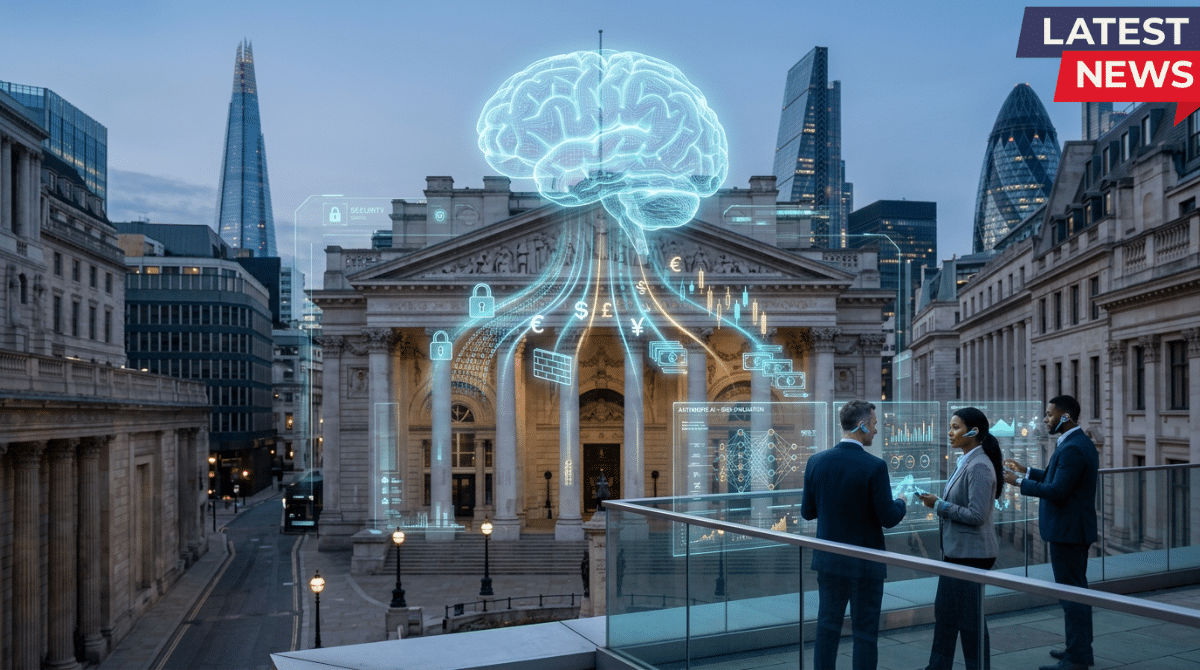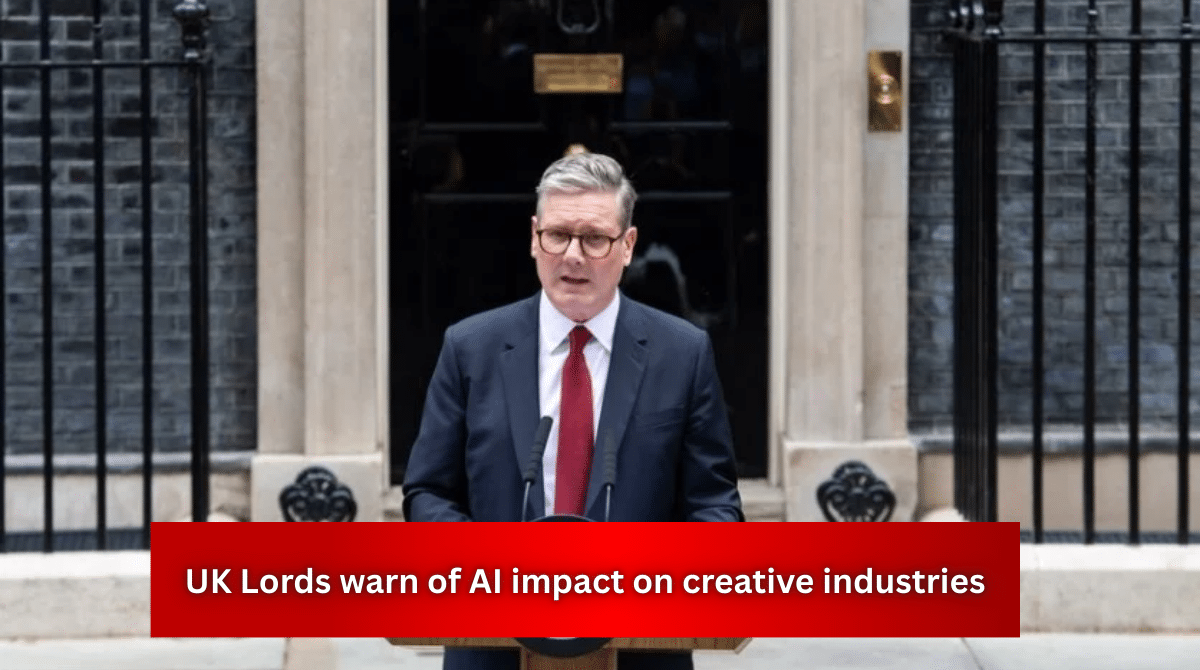
UK Lords warn of AI impact on creative industries as generative AI tools copy human work without permission. This new alert from top UK leaders highlights big risks to artists and jobs.This matters because creative sector jobs in music, film, and art drive the UK economy right now. The warning calls for quick fixes to protect creators from unfair AI use. In this article, you will see the key facts, what it means for your work, and simple steps ahead.
Key Summary
- House of Lords report flags unlicensed AI training data as a “clear and present danger” to creators.
- AI generative tools make copies of photos, songs, and films in seconds, cutting artist earnings.
- UK creative industries added £124 billion to economy in 2023, set to hit £141 billion by 2030.
- No need to change copyright laws—instead, stop secret AI scraping and add personality rights.
- Government urged to push licensing deals over free data grabs by big tech.
- Artists like musicians and filmmakers face lost jobs without fast AI regulation UK.
UK Lords warn of AI impact on creative industries: The Core Warning
The House of Lords Communications and Digital Committee just released its report called AI, copyright and the creative industries. They say AI generative tools are trained on huge piles of human-made content like songs, books, and images. Often, this happens without asking creators or paying them.
This puts copyright concerns AI front and center. Creators do not know if their work feeds AI models. Even if they find out, enforcing rights is hard due to no clear rules on AI outputs that mimic styles or voices.
Baroness Keeley, the committee chair, put it simply: Photographers, musicians, authors, and publishers lose work chances as AI spits out cheap copies. You, as a creator, might feel this soon if your art or music gets copied without credit.
Why Creative Industries Face Real Threats Now
Jobs and Earnings at Risk
Creative sector jobs are under fire. Think of a musician spending years on a hit song. Now, AI generative tools can make similar tracks in seconds using that song’s data. This steals sales and gigs.
In the UK music industry AI is a hot spot. Two-thirds of creators say AI threatens their careers. Film visual effects artists worry too—AI could replace teams that build movie worlds.
Economic Hit Hits Home
The UK creative world is huge. It brought in £124 billion last year and grows fast. But if AI takes over without rules, growth slows. You might see fewer paid projects or lower rates as AI floods markets with free copies.
This is not just big companies. Small artists in Indore or London feel it when global AI uses local art without pay. Creative industries threat grows as US tech firms train models secretly.
How AI Works and Hurts Creators Daily
AI training data comes from scraping the web. Sites with your photos or writings get pulled in without consent. AI then learns to copy styles—like “in the style of Picasso” or a singer’s voice.
No strong personality right in UK law means you cannot stop deepfakes of your face or voice in ads. Imagine your likeness in a video game without your okay. This lack of control scares performers.
For filmmakers, film visual effects AI speeds work but risks jobs. Studios might pick cheap AI over human teams. Everyday users see this in tools like image generators that ape real artists.
Key Recommendations from the Lords Report
The report gives clear fixes. First, no new “text and data mining” exception letting AI grab data freely with opt-out. This kills trust and licensing deals.
Instead:
- Close gaps for digital replicas and “in the style of” copies. Give creators control over their image.
- Make AI training data transparency a must by law. Developers must list what they use.
- Build a fair licensing market. Pay creators for data use, like streaming royalties.
Support UK-made AI models that respect rules. Use government buys to push global firms to follow.
Check the full details on the UK Parliament House of Lords page for more.
What This Means for Artists and Businesses
For Individual Creators
If you draw, write, or sing, protect your work now. Watermark images and register copyrights. Join groups pushing for artist royalties AI.
Tools exist to spot AI copies, but laws lag. This report pushes for change so your effort pays off.
For Music and Film Pros
UK music industry AI pros: Licensing could bring new cash. But without rules, AI floods Spotify with fakes.
Film teams: Film visual effects AI helps ideas but not replace skills. Demand contracts banning unlicensed training.
For Businesses and Startups
AI firms in UK can lead with fair deals. UK Creative Industries Council shows how sectors team up.
Tie this to AI industry trends 2026 for global views on ethical AI growth.
| Area Affected | Current AI Risk | Lords Fix Suggestion |
|---|---|---|
| Music | Songs copied for AI tracks | Mandatory licensing and royalties |
| Visual Arts | Images scraped for generators | Personality rights for styles |
| Film/TV | VFX jobs lost to AI | Transparency on training data |
| Authors | Books fed to chatbots | No broad data mining exception |
| Economy | £124B sector shrinks | Sovereign UK AI models |
This table shows clear paths forward.
Voices from the Front Lines
Leaders like Baroness Keeley warn: Do not trade today’s creative wins for tomorrow’s AI dreams. “Race to the bottom” if we weaken rules for US giants.
Artists agree. Producers say stealing unless stopped is mad. Musicians fear no future voices if government sides with tech.
UK Music reports 66% of creators see AI as a threat. Growth slowed last year partly from this.
Path Forward: Responsible AI in UK
Government must decide: Lead in licensed AI or let damage spread. Publish plans soon—no opt-out mining.
Technical tools help: Labels for AI content, data tracking. This builds trust.
For you, stay informed. Use AI regulation UK updates to guide your career. Explore ethical tools on our site.
Creative industries threat is real, but fixes are here. With strong rules, AI boosts without breaking what we love.