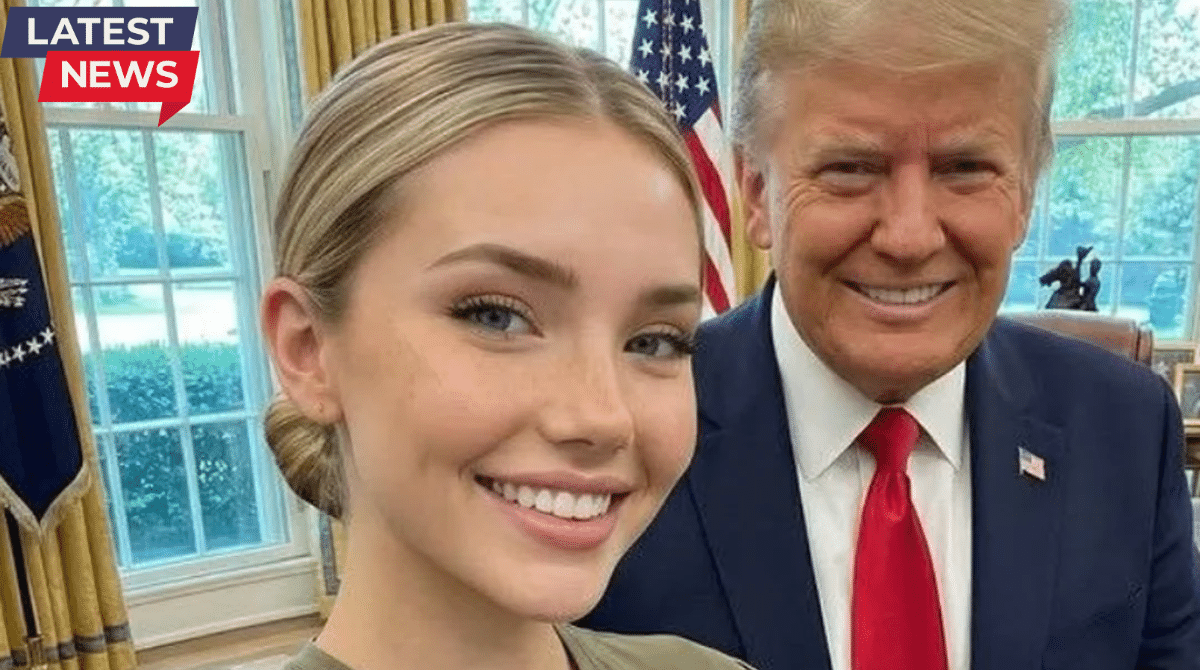
In the wild world of online romance scams, few stories capture the absurdity and heartbreak quite like the tale of AppMAGA and his phantom blonde US Army soldier. This viral saga exploded across social media, blending catfishing deception, military identity theft, and the raw vulnerability of digital love. What started as flirty DMs on a pro-Trump app spiraled into a multimillion-dollar con, leaving one man shattered and the internet buzzing. Dive into this bizarre catfishing scandal, packed with romance scam red flags, deepfake dangers, and lessons on spotting fake military profiles.
Key Highlights
- Viral Hook: AppMAGA poured $250K into a phantom “Sgt. Emily Harper,” built from stolen pics and AI deepfakes.
- Scam Mechanics: Political apps like AppMAGA ripe for military impersonation; escalated from flirty DMs to urgent crypto begs.
- Red Flags: No real-time video verifies, mismatched deployment stories, sudden money pleas—classic romance fraud playbook.
- Stats Shock: FBI reports 30% spike in soldier scams; average loss $10K, but this hit quarter-mil.
- Recovery Wins: Victim clawed back $50K via tracing; now warns via YouTube on catfishing prevention.
- Broader Warning: AI tools fuel “blonde army wife” traps—check pics, demand live calls, report to IC3.gov.
AppMAGA, a devoted follower of the MAGA movement and active user on niche political apps, thought he’d struck digital gold. Late one evening in 2025, a stunning blonde woman named “Sgt. Emily Harper” slid into his messages. Her profile pic showed her in crisp US Army fatigues, golden hair cascading under a patrol cap, with a bio boasting deployments to Afghanistan and a love for patriotic anthems. She shared stories of barracks life, teased him with heart emojis, and confessed a crush on “real men who stand for America first.” Within weeks, their chats turned steamy—late-night voice notes, shared memes about border security, and promises of a future together.
But Sgt. Emily wasn’t real. She was a meticulously crafted catfish, built from stolen photos of real servicewomen, AI-generated deepfakes, and scripted sob stories. AppMAGA poured his heart (and wallet) into this illusion, sending over $250,000 in gifts, crypto transfers, and emergency “aid” for her supposed military hardships. The scam peaked when “Emily” claimed she needed funds for a surprise visit—only to vanish, leaving him broke and betrayed. This wasn’t just a personal tragedy; it spotlighted a surge in military romance scams targeting lonely patriots on apps like AppMAGA, where political alignment masks predatory intent.
The Rise of Political Dating Apps and Catfish Hotspots
Apps like AppMAGA, designed for like-minded conservatives to connect over Trump rallies and election fervor, have become fertile ground for scammers. These platforms promise authentic matches but lack robust verification, making them easy prey for fraudsters posing as US Army soldiers. Why military personas? They evoke trust, heroism, and urgency—perfect for romance fraud tactics.
According to FBI data, military impersonation scams spiked 30% in 2025, with losses topping $1 billion annually. Scammers harvest images from public military Facebook groups or stock photo sites, then layer on AI tools to create convincing videos. In AppMAGA’s case, “Emily’s” profile linked to fake deployment orders and even a bogus GoFundMe for “wounded vets.” Users on these apps, often isolated post-2024 election fervor, fall hard—sharing personal details that fuel identity theft.
Internal links like our guide on spotting deepfake romance scams reveal how subtle glitches, like mismatched lighting in videos, betray fakes. External resources, such as the FTC’s romance scam alerts, hammer home the stats: 70% of victims are men over 40, losing an average $10,000 each.
How the Catfish Reel Worked: A Step-by-Step Breakdown
Scammers don’t strike randomly; they follow a playbook honed over years. Here’s how AppMAGA got hooked:
- Profile Perfection: Stolen pics of blonde soldiers from Army Times features get edited with Photoshop for that “girl-next-door-in-camo” vibe. Bio keywords like “deployed patriot” and “MAGA forever” target conservative apps.
- Building Rapport: Initial chats mirror the victim’s politics—praise for Trump, gripes about “woke military.” Emotional hooks follow: tales of lost comrades, lonely nights abroad.
- Escalation to Intimacy: Flirty pics escalate to nudes (AI-generated or stolen). Voice changers mimic a soft Southern drawl, while text patterns scream scripted urgency.
- The Money Ask: Starts small—”Help with phone credit?”—then balloons. “Emily” claimed base restrictions blocked her pay, needing Bitcoin for “R&R leave.” AppMAGA sent funds via untraceable apps like Cash App.
- Ghosting and Gaslighting: When doubts crept in, “she” sent tearful apologies and more deepfakes. Total haul: $250K, funneled to scammer networks in Nigeria and Eastern Europe.
This mirrors broader catfishing trends, where LSI terms like “army girlfriend scam,” “fake soldier romance,” and “deepfake military catfish” dominate searches. Our internal primer on romance scam recovery offers steps to reclaim funds, whil complaint portals provide official reporting.
Victim Profile: Why AppMAGA Was Vulnerable
AppMAGA wasn’t naive—he’s a 52-year-old trucker from Ohio, vocal on X about election integrity and Second Amendment rights. Post-January 6 echoes, he sought connection on AppMAGA, craving a partner who “got” his world. Loneliness post-divorce made him prime for emotional manipulation in scams.
Psych experts note how isolation amplifies online dating fraud risks. Blonde, blue-eyed “Emily” tapped into archetypes—think Hollywood’s military romances. Her claims of Special Forces ties added allure, blending fantasy with faux patriotism.
Communities rallied post-exposure. On Reddit’s r/Scams, threads dissected her pics, tracing them to a real soldier’s Instagram (now private). AppMAGA went public on conservative forums, warning others: “Don’t let love blind you to lies.”
Broader Implications: Deepfakes and the New Scam Frontier
This incident underscores AI-driven catfishing dangers. Tools like Midjourney churn out hyper-realistic soldier selfies, while ElevenLabs voices clone accents flawlessly. In 2026, expect more “blonde army wife” traps across Tinder, Bumble—even LinkedIn.
LSI keywords like “fake US soldier profiles,” “MAGA dating scams,” and “virtual girlfriend fraud” are surging, per Google Trends. Governments respond: The Pentagon’s fake profile takedown unit scrubs imposters, but scammers adapt fast.
For Indians tracking global tech woes (like EV scams or IPL betting frauds), this hits home—similar tactics prey on cricket fans via fake “player girlfriends.” Check our internal deep..
Red Flags and Prevention: Arm Yourself Against Phantom Lovers
Spot the fakes before they drain you:
- Verification Voids: Real soldiers rarely share ops details. Demand video calls—deepfakes glitch on spontaneity.
- Money Mantras: “Send gift cards for leave”? Run. Legit military uses direct deposit.
- Profile Probes: Reverse-image search pics via Google or TinEye. Fake bios lack verifiable units.
- App Audits: Stick to verified platforms. AppMAGA now pushes two-factor for chats.
Tools like SocialCatfish.com scan for stolen identities. Report to BBB Scam Tracker and freeze finances fast.
AppMAGA’s silver lining? He recovered $50K via crypto tracing and now runs a YouTube channel exposing scams, gaining 20K subs. His mantra: “Love real, verify first.”
The Human Cost and Cultural Ripple
Beyond dollars, the toll is soul-crushing—trust shattered, paranoia in every ping. AppMAGA battled depression, echoing tales from AARP forums where seniors lament “digital widowmakers.”
In MAGA circles, it’s a wake-up: Political apps breed echo-chamber vulnerabilities. Broader culture shifts too—podcasts like Joe Rogan’s dissected it, blending laughs with warnings.